Introduction: What is Kotora Melnkalne?
Kotora Melnkalne may sound unfamiliar, but it is a name that refers to the historic and picturesque town of Kotor, Montenegro. Known for its stunning Adriatic coastline, medieval architecture, and vibrant culture, Kotora Melnkalne is quickly becoming a favorite for travelers seeking a blend of history, nature, and tranquility.
Far more than a tourist stop, Kotora Melnkalne embodies centuries of maritime tradition, artistic heritage, and scenic charm. This guide will explore everything from its history and landmarks to cuisine, festivals, seasonal tips, and digital nomad life, providing a complete picture for travelers curious about Kotora Melnkalne.
Where is Kotora Melnkalne Located?
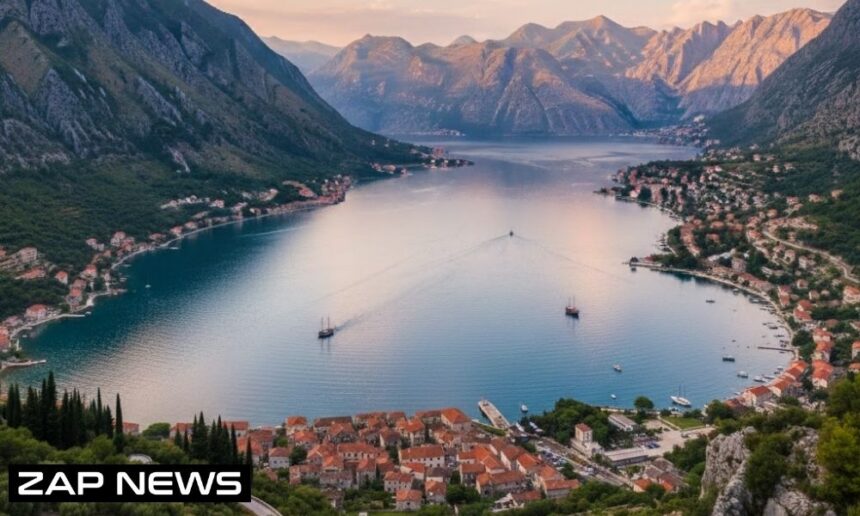
Kotora Melnkalne sits along the Bay of Kotor in Montenegro, a small Balkan country along the Adriatic Sea. Nestled between towering mountains and crystal-clear waters, the town is often described as a southern European fjord (technically a ria). Its strategic location provides a stunning backdrop for exploration and photography.
Nearby attractions include Budva, with its lively beaches; Perast, a charming village with Baroque architecture; and Dubrovnik, Croatia, just a short drive away. Travelers can easily reach Kotora Melnkalne via Tivat Airport, bus, or scenic coastal drives, all offering breathtaking mountain and sea views.
The Historical Significance of Kotora Melnkalne
Kotora Melnkalne has a rich history spanning over 2,000 years, influenced by Romans, Byzantines, Venetians, and Ottomans. This long lineage is evident in its ancient city walls, fortifications, and narrow stone streets.
In 1979, the Old Town of Kotor (Kotora Melnkalne) was designated a UNESCO World Heritage Site, highlighting its cultural and architectural significance. Every corner tells a story, from centuries-old churches to merchant houses, making the town a living testament to Mediterranean history.
Inside the Old Town of Kotora Melnkalne
The Old Town, or Stari Grad, is a maze of stone alleys, hidden courtyards, and historic buildings. Landmarks include:
-
Cathedral of St. Tryphon (built in 1166) – a Romanesque-Gothic masterpiece
-
Clock Tower Square – a bustling hub for locals and tourists
-
Numerous cafés, art galleries, and souvenir shops
Walking through Stari Grad feels like stepping back in time, yet the lively atmosphere of cafés and markets adds a modern touch.
The Stunning Bay of Kotor
The Bay of Kotor is a natural marvel, surrounded by limestone mountains and dotted with quaint villages. Highlights include:
-
Our Lady of the Rocks – a small artificial island with a beautiful church and museum
-
Scenic boat tours to towns like Perast and Herceg Novi
-
Waterfront cafés offering local wine, coffee, and sea views
Its calm waters, hidden coves, and dramatic landscapes make it ideal for photographers, nature lovers, and travelers seeking peace.
Hike to San Giovanni Fortress (St. John’s Fortress)
A must-do experience is the hike to San Giovanni Fortress, perched atop the mountains above the Old Town. The climb includes over 1,300 stone steps, passing medieval walls and old chapels.
At the summit, panoramic views of Kotora Melnkalne, the Old Town rooftops, and the Bay of Kotor reward your effort. The best times to hike are early morning or sunset, when the light and temperature are perfect.
Montenegrin Cuisine in Kotora Melnkalne
Kotora Melnkalne offers a delicious fusion of Mediterranean and Balkan flavors:
-
Njeguški pršut – smoked ham served with cheese and olives
-
Black risotto – made with squid ink and seafood
-
Grilled Adriatic fish – fresh from the bay
Pair meals with local beverages like rakija (fruit brandy) or Vranac wine. Dining in historic cellars or waterfront terraces enhances the culinary experience.
Festivals and Cultural Events
The town hosts vibrant cultural events throughout the year:
-
KotorArt Festival – international music, theater, and art in historic venues
-
Boka Night (Bokeljska Noć) – festive boat parades along the bay
-
Kotor Carnival – colorful winter celebrations with masks, music, and parades
These events showcase local traditions, artistic talent, and community spirit.
Kotora Melnkalne by Season
-
Spring (April–June): Mild weather, ideal for hiking
-
Summer (July–August): Warm, busy, perfect for beaches and festivals
-
Autumn (September–October): Cooler, fewer tourists, golden sunsets
-
Winter (November–March): Quiet, misty, perfect for reflective strolls
Digital Nomad Life in Kotora Melnkalne
Kotora Melnkalne is increasingly attractive for remote workers, thanks to:
-
Reliable Wi-Fi and coworking-friendly cafés
-
Affordable accommodations
-
Montenegro’s digital nomad visa
-
Calm, inspiring environment for work and exploration
It’s an ideal spot for those who want to combine productivity with scenic beauty.
Sustainable Travel Tips
-
Support local businesses and family-run guesthouses
-
Avoid peak cruise crowds by visiting early or late in the day
-
Walk, bike, or use public transport to reduce environmental impact
-
Respect sacred and historic sites
Nearby Attractions
-
Perast: Baroque town with boat access to Our Lady of the Rocks
-
Budva: Beaches and nightlife
-
Lovćen National Park: Mountains, Njegoš Mausoleum, and panoramic views
Final Thoughts
Kotora Melnkalne is more than a destination—it’s a living experience of history, nature, and culture. From its cobbled streets to the Bay of Kotor and the flavors of Montenegrin cuisine, it offers something unique for every traveler. Whether for a short visit or a long stay, this hidden gem leaves lasting memories and a desire to return.
FAQs About Kotora Melnkalne
What is Kotora Melnkalne?
A lesser-known name for Kotor, Montenegro, known for its medieval Old Town and scenic bay.
Where is it located?
In Montenegro, along the Adriatic Sea, near Budva, Perast, and Dubrovnik.
Why visit Kotora Melnkalne?
It offers history, nature, cultural events, and a peaceful alternative to crowded European cities.
Is it good for digital nomads?
Yes, with Wi-Fi, coworking-friendly spots, and Montenegro’s digital nomad visa.
When is the best time to visit?
Spring (April–June) and Autumn (September–October) for mild weather and fewer crowds.
For More Inforamation Visit zapnews.co.uk