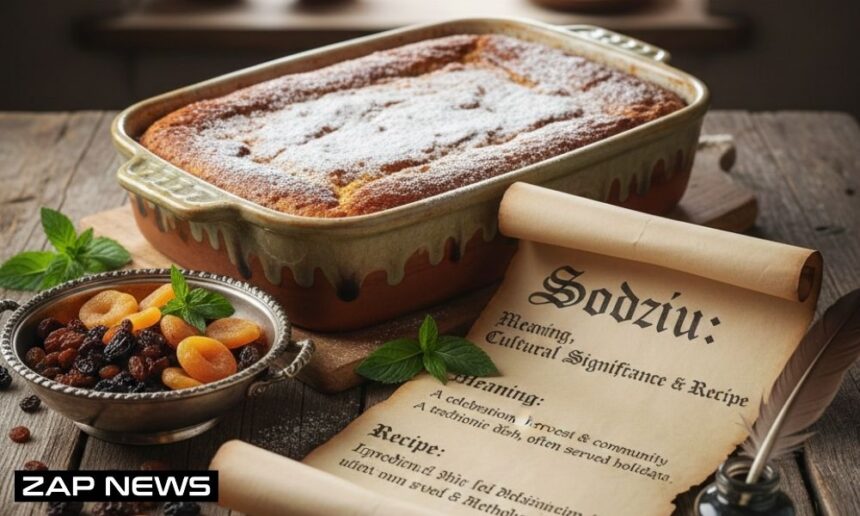
Sodziu: Meaning, Heritage, and Cultural Depth Explained
At first glance, the word sodziu may seem unfamiliar or even mysterious. Yet beneath its simplicity lies a layered identity that spans culture, cuisine, and conceptual thought. Sodziu is not confined to a single definition; instead, it represents a blend of tradition, shared memory, and evolving interpretation. In many contexts, sodziu is linked to ancestral celebrations and communal rituals. In others, it refers to a traditional dish rooted in Eastern European food culture. More recently, the term has even found a place in abstract and philosophical discussions as a symbol of the undefined or the yet-to-be-discovered.
This versatility is what makes sodziu especially compelling. It invites exploration across disciplines—history, anthropology, food studies, and philosophy—while maintaining a strong emotional connection to heritage and community. Whether encountered as a festival, a meal, or a metaphor, sodziu encourages reflection on identity, belonging, and continuity.
Understanding the Roots and Linguistic Background of Sodziu
The origins of sodziu are not precisely documented, which only deepens its intrigue. Linguists and cultural historians suggest that the term may stem from old Baltic or Slavic dialects, particularly those spoken in agrarian societies where communal living and seasonal cycles shaped everyday life. In these contexts, words often carried layered meanings—describing not just an object or event, but a shared experience.
Some interpretations link sodziu to village life, harvest gatherings, or collective meals that marked important moments in the agricultural calendar. Over time, as cultures mixed and borders shifted, the term likely absorbed influences from neighboring regions. This gradual evolution explains why sodziu does not fit neatly into a single linguistic category. Instead, it exists as a cultural expression—flexible, adaptive, and deeply symbolic.
Cultural Importance of Sodziu in Traditional Communities
In traditional societies, sodziu is far more than a word; it is a lived experience. It often represents gatherings where families and neighbors come together to celebrate, remember ancestors, or honor nature’s cycles. These occasions typically include music, storytelling, folk dances, and symbolic rituals involving fire, earth, or handmade objects.
Such celebrations serve an essential social purpose. They reinforce communal bonds, transmit values, and preserve cultural memory. Elders share stories and wisdom, while younger participants learn by observing and engaging. In rural settings, sodziu events may involve decorating communal spaces with natural materials like straw, herbs, or carved wood—simple elements that reflect a close relationship with the land.
Through these practices, sodziu becomes a bridge between generations, ensuring that traditions remain alive even as societies modernize.
Sodziu as a Traditional Food and Culinary Symbol
One of the most tangible expressions of sodziu is found in food. In many Eastern European regions, sodziu is associated with a hearty, slow-cooked dish prepared for special occasions. This culinary version reflects the same values as the celebration itself: patience, sharing, and respect for ingredients.
Traditional sodziu dishes often feature locally sourced meats such as pork, beef, or lamb, combined with root vegetables, herbs, and warming spices. Preparation methods are intentionally slow—marination, gentle simmering, or cooking over an open flame—to allow flavors to develop naturally. The result is a comforting, deeply satisfying meal meant to be enjoyed together.
Serving sodziu is as important as cooking it. It is typically accompanied by bread, fermented vegetables, or herbal drinks, transforming the meal into a communal ritual rather than a simple act of eating.
Modern Interpretations and Contemporary Celebrations
In today’s world, sodziu continues to evolve. Urban communities and cultural organizations now host sodziu-inspired festivals that blend tradition with modern creativity. These events may include live performances, craft workshops, and food showcases, making heritage accessible to younger and more diverse audiences.
Digital platforms have also played a key role in reviving interest in sodziu. Through videos, blogs, and social media posts, people across the globe are discovering its cultural and culinary significance. Younger generations often reinterpret sodziu by combining traditional elements with modern music, art, or storytelling techniques. Despite these changes, the essence of sodziu—connection and shared meaning—remains intact.
Sodziu as an Abstract and Philosophical Idea
Beyond culture and cuisine, sodziu has gained attention as a conceptual symbol. In some academic and philosophical discussions, the term is used as a placeholder for the unknown. Much like variables in mathematics or hypothetical forces in physics, sodziu can represent what has not yet been fully understood.
Philosophically, sodziu may be seen as a metaphor for hidden relationships between memory, identity, and human experience. It captures the idea that not everything meaningful can be clearly defined. This openness allows sodziu to function both as a scholarly tool and a poetic concept, adaptable to multiple interpretations.
Preparing a Classic Sodziu Dish at Home
Experiencing sodziu firsthand often begins in the kitchen. To prepare a traditional version, start with fresh, high-quality ingredients. A classic recipe includes meat, potatoes, carrots, onions, garlic, and a blend of spices such as paprika, bay leaf, and cumin. Marinate the meat overnight to deepen the flavor.
Slowly sauté the vegetables, add the meat, and allow everything to simmer gently for several hours. This method not only enhances taste but also reflects the values behind sodziu—taking time, respecting process, and cooking with intention. Serve the dish with bread and fermented sides to complete the experience.
Innovation and Adaptation in Modern Cuisine
Contemporary cooks have embraced sodziu with creativity. Plant-based versions using mushrooms, lentils, or jackfruit have become popular, offering inclusive options without losing the dish’s essence. In upscale restaurants, chefs may reinterpret sodziu with refined techniques or unexpected flavor pairings.
Fusion recipes also abound, blending sodziu with global cuisines and spices. These adaptations demonstrate how tradition can evolve while remaining rooted in its original spirit.
Nutritional and Wellness Aspects of Sodziu
When prepared traditionally, sodziu can be both nourishing and balanced. It provides protein, fiber, and essential nutrients from whole ingredients. Slow cooking preserves vitamins and reduces the need for added fats. Fermented accompaniments support digestion, while herbs and spices contribute antioxidant benefits.
This balance makes sodziu adaptable to modern wellness-focused lifestyles without sacrificing flavor or cultural authenticity.
The Enduring Relevance of Sodziu Today
Sodziu continues to resonate because it addresses timeless human needs—belonging, nourishment, and meaning. In an era of speed and digital distraction, sodziu encourages people to slow down, gather, and reconnect with their roots. It serves as a reminder that tradition and innovation do not have to conflict; they can coexist and enrich one another.
Conclusion
Sodziu cannot be reduced to a single definition. It is simultaneously a tradition, a meal, and a concept—each layer reinforcing the others. Through celebration, cooking, and contemplation, sodziu offers a powerful way to engage with heritage and shared humanity. By exploring sodziu in your own life, you become part of an ongoing story that honors the past while welcoming new interpretations for the future.
For More Inforamation Visit zapnews.co.uk