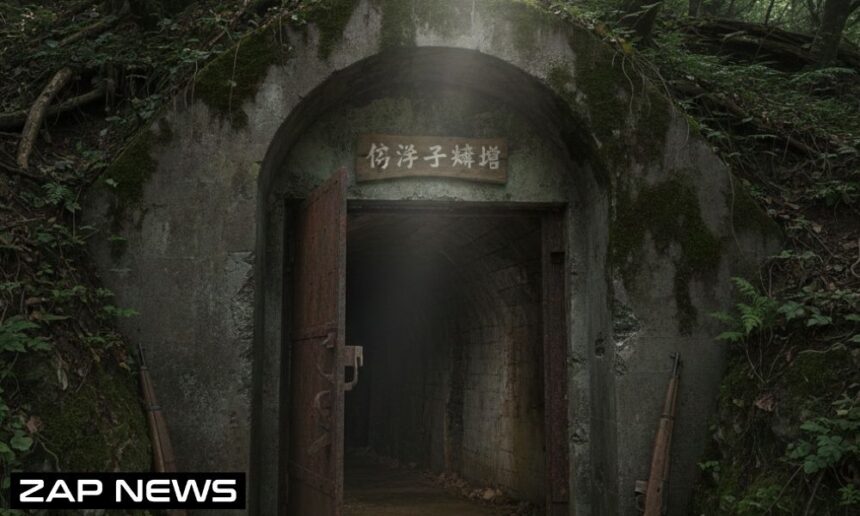
What Is Miiyazuko Bunkrr?
The Miiyazuko Bunkrr is believed to be a concealed underground military installation constructed in Japan during the final years of World War II. Designed as a secure command and protection facility, the bunker reportedly served as a strategic shelter for military leaders, communication officers, and logistical planners during periods of intense aerial bombardment.
Unlike widely recognized WWII landmarks in Japan, the Miiyazuko Bunkrr remains largely absent from mainstream tourism and public history discussions. Its secrecy, remote location, and limited documentation have transformed it into a subject of fascination among historians and wartime architecture researchers.
Hidden within mountainous terrain, the structure reflects Japan’s emphasis on defense, concealment, and resilience during one of the most turbulent periods in modern history.
Historical Background of Miiyazuko Bunkrr
Constructed During the Final Phase of WWII
As Allied forces increased air raids across Japan, military planners sought secure underground facilities that could continue operations even if surface buildings were destroyed. The Miiyazuko Bunkrr was reportedly built during this high-alert period to serve as a fortified coordination center.
Carved deep into rocky terrain, the bunker was designed to withstand bombing campaigns and provide uninterrupted command capabilities. Construction relied heavily on manual labor and strict confidentiality. Workers operated under military supervision, and details of the project were closely guarded.
The site’s purpose was simple but critical: ensure continuity of command in case traditional headquarters were compromised.
Continued Use During the Cold War
Following Japan’s surrender in 1945, the bunker was not abandoned. As global tensions shifted into the Cold War era, underground infrastructure regained strategic value.
Although Japan adopted a more defensive posture post-war, secure facilities were still necessary for emergency planning and intelligence coordination. Historical accounts suggest the Miiyazuko Bunkrr underwent modifications to support updated communication systems and emergency response strategies.
Reinforcements were reportedly added to strengthen the structure against potential nuclear threats, demonstrating how wartime engineering adapted to new geopolitical realities.
Architectural Significance of Miiyazuko Bunkrr
Underground Engineering Excellence
From an engineering standpoint, the Miiyazuko Bunkrr represents an impressive example of mid-20th-century subterranean construction.
Key architectural elements include:
-
Thick reinforced concrete walls
-
Rock-carved corridors
-
Shock-absorbing arched ceilings
-
Multi-level chamber systems
-
Camouflaged surface entrances
The bunker was designed to blend seamlessly into the surrounding mountain landscape. From the air, it would have appeared indistinguishable from natural terrain.
The layered internal structure allowed different sections to operate independently—ensuring survival even if one area sustained damage.
Passive Survival Systems
One of the most remarkable features of the Miiyazuko Bunkrr was its passive environmental design.
Instead of relying entirely on electrical systems, engineers incorporated:
-
Natural ventilation shafts
-
Pressure-based airflow systems
-
Temperature-regulating rock insulation
-
Hidden emergency escape tunnels
Given Japan’s vulnerability to earthquakes, structural flexibility was also integrated into the design. Curved archways and reinforced joints helped absorb seismic movement—an advanced feature for its time.
Inside the Miiyazuko Bunkrr
Operational Layout
Accounts from researchers and oral histories describe a structured interior consisting of:
-
Command centers
-
Radio communication rooms
-
Sleeping quarters
-
Food storage areas
-
Medical supply rooms
-
Sanitation facilities
The living spaces were minimal but functional. Wooden bunks lined stone walls, and operational rooms featured planning boards and tactical maps.
The bunker was reportedly capable of housing personnel for extended periods during emergencies, supported by controlled supply routes through nearby mountain paths.
Communication Infrastructure
Communication was central to the bunker’s mission.
The Miiyazuko Bunkrr allegedly contained:
-
Long-range radio transmitters
-
Encrypted message systems
-
Underground cable links
-
Concealed surface relay points
These systems ensured that command officials could maintain coordination even if major cities or military bases were attacked.
Later Cold War modifications may have upgraded encryption technologies and signal reach, although much of this remains classified or undocumented.
Location and Accessibility
Where Is Miiyazuko Bunkrr Located?
The exact location of the Miiyazuko Bunkrr remains undisclosed. It is widely believed to be situated in the mountainous regions of central Honshu, chosen for natural concealment and defensive advantage.
Dense forests and rugged terrain made aerial detection nearly impossible during wartime. Even today, the site is difficult to identify without specialized mapping tools.
Is It Open to the Public?
Public access to the Miiyazuko Bunkrr is highly restricted.
Limited entry has reportedly been granted to:
-
Academic researchers
-
Preservation experts
-
Structural engineers
-
Heritage conservation teams
Due to safety concerns and structural aging, full public tourism is unlikely in the near future. However, digital preservation projects are being explored to allow virtual educational experiences.
Folklore and Local Stories
Village Legends
Communities near the suspected location share stories passed down through generations.
Some villagers recall:
-
Nighttime excavation sounds
-
Sudden military activity in the 1940s
-
Restricted forest zones
-
Workers disappearing into tunnels
Over time, these accounts blended with folklore, giving rise to myths of hidden chambers, sealed passageways, and even spiritual guardians protecting the site.
Cultural Memory
Beyond myth, the Miiyazuko Bunkrr represents a powerful symbol of survival for local communities.
Rather than glorifying war, it stands as a reminder of hardship, unity, and resilience during national crisis. Schools and community groups sometimes reference the bunker when teaching about wartime preparedness and historical reflection.
Preservation and Modern Relevance
Restoration Challenges
Decades of exposure have led to:
-
Water infiltration
-
Structural erosion
-
Moss and vegetation growth
-
Concrete degradation
Preservation teams are working to stabilize critical sections while maintaining historical authenticity. 3D scanning and digital mapping projects aim to preserve its design for future research.
Academic and Global Interest
The Miiyazuko Bunkrr has become a subject of study in:
-
Wartime architecture programs
-
Military engineering research
-
Underground infrastructure studies
-
Cultural memory analysis
It is often compared to similar WWII bunkers in Germany, the United Kingdom, and Korea.
Myths and Misconceptions
Nuclear Research Claims
Some rumors suggest the bunker was linked to nuclear research. However, no credible evidence supports this theory. Available records indicate it was primarily a command and coordination facility.
Paranormal Speculation
Legends of hauntings or unexplained sounds persist in local storytelling. These tales likely stem from the secrecy and intensity surrounding its construction rather than documented events.
Why Miiyazuko Bunkrr Still Matters
A Symbol of Preparedness
The Miiyazuko Bunkrr reflects how nations prepare for worst-case scenarios. Its design embodies strategic foresight and adaptive engineering.
Encouraging Reflection and Peace
Today, the bunker’s significance lies not in military strength but in historical reflection. It serves as a silent monument reminding future generations of the costs of war and the importance of diplomacy.
Conclusion
The Miiyazuko Bunkrr stands as a hidden chapter of Japan’s wartime history. Concealed beneath mountains and layered with mystery, it represents resilience, innovation, and the complex legacy of conflict.
Whether examined through architectural study, historical research, or cultural storytelling, the bunker offers valuable lessons about survival, secrecy, and remembrance.
Its quiet corridors echo not with celebration—but with reflection.
FAQs About Miiyazuko Bunkrr
Q1: What is Miiyazuko Bunkrr?
It is believed to be a hidden underground military bunker built in Japan during World War II.
Q2: Where is it located?
Exact coordinates are undisclosed, but it is thought to be in central Honshu’s mountainous region.
Q3: Is the bunker open to tourists?
No, access is restricted primarily to researchers and preservation teams.
Q4: Was it used after WWII?
Historical accounts suggest it may have been repurposed during the Cold War.
Q5: What makes it architecturally unique?
Its underground multi-level design, passive ventilation system, and earthquake-resistant structure.
Q6: Why is it not widely known?
Its secrecy, remote location, and limited public documentation have kept it largely out of mainstream awareness.
For More Inforamation Visit zapnews.co.uk