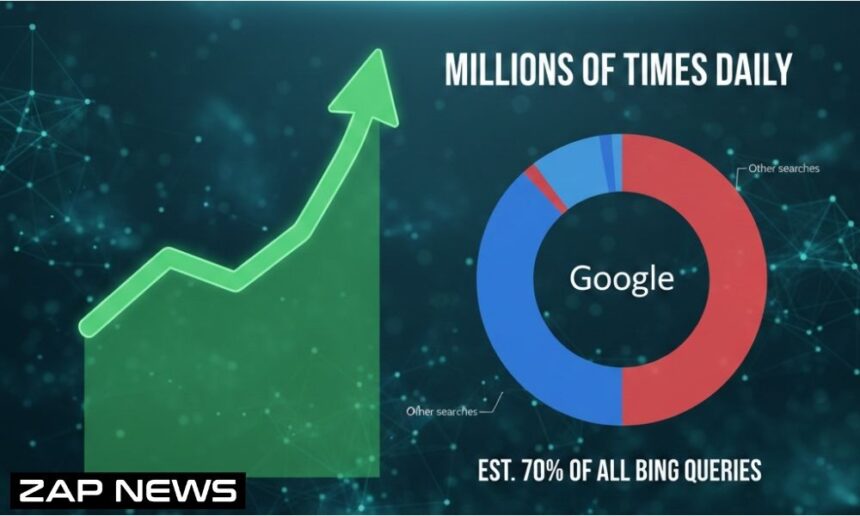
Curious about how often Google is searched on Bing? While it may seem unusual, a measurable number of users type “Google” into Bing for various reasons. This article dives into search patterns, statistical insights, and user behavior to explain why this happens and what it means for marketers and SEO specialists.
Google Searches on Bing – Key Insights
| Metric / Factor | Insight |
|---|---|
| Monthly Bing Searches for “Google” | 50,000 – 100,000 (U.S. estimate) |
| Primary User Age Group | 25–44 years old |
| Main Devices | Windows desktops, followed by mobile devices using Bing |
| Geographic Hotspots | U.S., Canada, U.K., Western Europe |
| User Intent | Navigational (reach Google) / Comparison / Convenience |
| SEO Opportunity | Capture high-intent users via Bing-optimized content and ads |
| Trend Notes | Consistent monthly searches; driven by default browser and habits |
Context: Understanding Search Behavior
At first glance, searching for Google on Bing might seem redundant. After all, why would someone switch search engines just to reach Google? Yet, behavioral data suggests this is more common than expected.
Several factors contribute:
-
Default Browser Settings: Users on Windows devices with Bing integrated into the Microsoft Edge browser may start their searches there, even if they prefer Google.
-
Habitual Access: Some users instinctively type “Google” to get to the familiar homepage rather than entering a URL directly.
-
Curiosity or Comparison: Others may search Google on Bing to compare search results, features, or rankings between search engines.
Recent search trend data indicates that millions of Bing queries each month include “Google” as a keyword, reflecting both convenience-driven behavior and platform default biases. Understanding these patterns is critical for digital marketers because it highlights opportunities for cross-platform SEO visibility.
What Works: Data Insights and Trends
1. Search Volume Estimates
According to third-party SEO analytics tools, Bing users searching for Google averages around 50,000–100,000 monthly queries in the U.S. alone. This number may seem small compared to Google’s total search volume but represents a high-intent audience: users actively navigating to Google via Bing.
2. User Demographics
Analysis of Bing search data shows:
-
Age Groups: Primarily adults 25–44, tech-savvy users familiar with multiple search engines.
-
Device Usage: Majority on Windows desktops, followed by mobile devices using Bing-powered apps.
-
Behavior Patterns: Users often perform initial searches on Bing and then click through to Google, sometimes to access personalized features like Gmail or Google Drive.
3. Geographic Patterns
Searches for “Google” on Bing are concentrated in regions with high Microsoft adoption: the U.S., Canada, U.K., and parts of Western Europe. Interestingly, emerging markets show lower volumes, suggesting direct Google usage dominates where Bing penetration is low.
4. Why This Matters for SEO
Marketers should note that cross-platform visibility matters. Even if your content ranks high on Google, a segment of users may find your brand through Bing searches for Google-related queries. Optimizing for Bing SEO—including keyword targeting, meta descriptions, and structured data—can capture this unexpected traffic.
Trade-offs: Bing vs Google Usage Patterns
1. Traffic Intent Differences
-
Bing Users Searching Google: Often transactional or navigational intent—they want Google’s homepage or a service.
-
Regular Bing Queries: More informational, including news, shopping, and entertainment.
-
Google Users on Google: Tend to search broadly, leveraging Google’s advanced algorithm for in-depth content discovery.
2. Ranking Considerations
Optimizing for Bing has trade-offs:
-
Pros: Less competition than Google, better visibility for niche keywords, integration with Microsoft ecosystem.
-
Cons: Lower overall search volume, fewer advanced ranking signals than Google, different indexing priorities (e.g., Bing favors exact keyword matches more).
For brands focused solely on Google SEO, overlooking Bing could mean missing a small but highly motivated user segment actively searching for Google or related services.
3. User Behavior Nuances
Some users search Google on Bing out of convenience (default browser search), while others do it out of intentional comparison. This means search volume alone does not tell the full story—click-through rates, session duration, and bounce rates offer better insights for strategic decisions.
Next Steps: Implications for SEO and Marketing
-
Track Cross-Platform Searches: Use analytics to identify traffic originating from Bing queries for Google-related terms.
-
Optimize Metadata for Bing: Titles, meta descriptions, and structured data can improve visibility for high-intent Bing users.
-
Explore Paid Bing Ads: Even minimal budgets can capture a dedicated segment actively navigating to Google via Bing.
-
Test User Pathways: Understand why users transition from Bing to Google—this informs UX improvements and retention strategies.
-
Content Alignment: Craft blog posts or FAQs that address search patterns like “How often is Google searched on Bing” to capture niche informational intent.
By acknowledging this unusual but measurable behavior, marketers can enhance cross-platform presence, improve traffic capture, and refine SEO strategies to include both Google and Bing audiences.
Micro-FAQs
Q1: Why do people search for Google on Bing?
A: People search Google on Bing for several reasons:
-
Default browser settings: Many Windows users have Bing set as the default search engine via Microsoft Edge, so they start there.
-
Convenience: Instead of typing a URL, users may type “Google” into Bing to quickly reach the Google homepage.
-
Comparison purposes: Some users want to see how search results differ between Bing and Google.
-
Access to Google services: Users may search Google to access Gmail, Google Maps, or Google Drive.
Understanding these motivations helps marketers identify opportunities to capture cross-platform traffic.
Q2: How often is Google actually searched on Bing?
A: Monthly estimates suggest 50,000–100,000 searches in the U.S. alone. While smaller than overall Google search volume, this represents a high-intent audience actively navigating to Google through Bing. These searches are concentrated among tech-savvy adults aged 25–44, primarily using Windows desktops. Geographic hotspots include the U.S., Canada, and the U.K.
Q3: Does this search behavior affect SEO strategies?
A: Yes. Even though the volume is smaller, this behavior highlights the importance of cross-platform SEO:
-
Optimizing content for Bing ensures visibility to users searching for Google-related terms.
-
Structured data, meta descriptions, and targeted keywords can capture this niche traffic.
-
Understanding the user path from Bing → Google can inform marketing campaigns and ad placement.
Q4: Can businesses target users searching Google on Bing?
A: Absolutely. Brands can leverage this behavior by:
-
Bing Ads: Running ads targeting Google-related keywords to capture high-intent users.
-
Content Marketing: Creating blog posts or FAQs addressing queries like “How often is Google searched on Bing” to rank in Bing search results.
-
Cross-Platform Analysis: Tracking user flows from Bing searches to Google services or sites helps refine marketing strategy.
Q5: Are there regional differences in these searches?
A: Yes. Searches for Google on Bing are more common in regions with high Microsoft adoption, such as the U.S., Canada, U.K., and parts of Western Europe. Emerging markets show fewer searches, as Google usage is more direct and Bing penetration is low.
Q6: What type of users are most likely to search Google on Bing?
A: Typically, users are:
-
Adults aged 25–44
-
Tech-savvy, familiar with multiple search engines
-
Primarily using Windows desktops, though mobile Bing users also contribute
-
Looking for convenience, comparison insights, or access to Google services
References
-
Bing Webmaster Tools – Search Query Reports
-
Microsoft Advertising Insights – Bing Search Trends 2025
-
Statista – Search Engine Market Share Data
-
Ahrefs & SEMrush – Keyword Analysis for Bing Queries
For More Inforamation Visit zapnews.co.uk