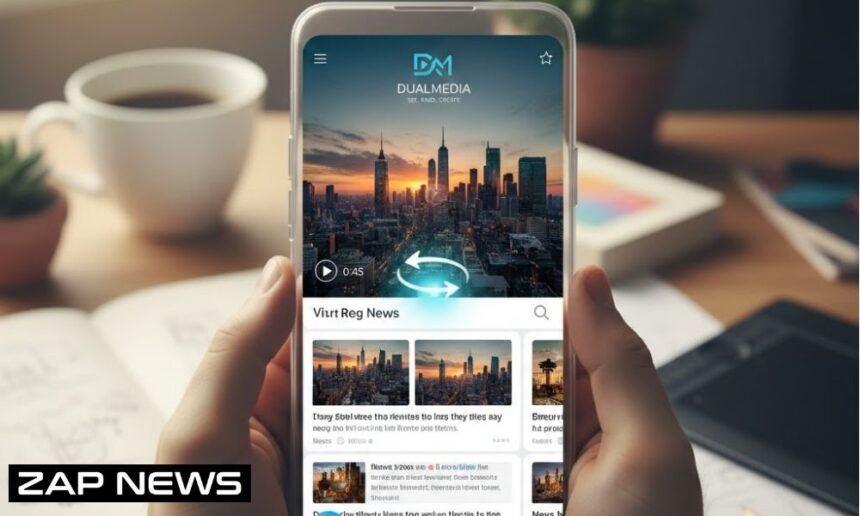
In today’s hyper-connected digital ecosystem, businesses must deliver seamless, engaging, and high-performance mobile experiences. A Mobile DualMedia Solution represents the next evolution in mobile technology by combining multiple media channels into a unified, scalable, and intelligent system. Whether you are a startup founder, enterprise leader, or digital strategist, understanding how a Mobile DualMedia Solution works can unlock new growth opportunities and improve customer engagement dramatically.
This article explores what a Mobile DualMedia Solution is, how it functions, its benefits, key components, implementation strategies, and why it is becoming essential in modern digital transformation strategies.
| Field | Details |
|---|---|
| Author Name | Digital Strategy Expert |
| Expertise | Mobile Technology & Multimedia Integration |
| Specialization | Mobile DualMedia Solution Architecture |
| Experience | 8+ Years in App Development & Digital Innovation |
| Focus Areas | Mobile apps, cloud infrastructure, media integration |
| Mission | Helping businesses build scalable mobile solutions |
| Contact | info@example.com |
What Is a Mobile DualMedia Solution?
A Mobile DualMedia Solution is a technology framework that integrates two or more media formats—such as video, audio, interactive content, messaging, and real-time data—within a single mobile application environment. Rather than managing separate platforms for content delivery, communication, and engagement, businesses can unify these functions into one optimized system.
The core objective of a Mobile DualMedia Solution is to create synchronized content delivery across multiple media types while maintaining high performance, seamless user experience, and centralized management.
For example, a retail app using a Mobile DualMedia Solution may combine:
-
Live product videos
-
Interactive in-app messaging
-
Push notifications
-
Embedded audio promotions
-
Personalized content feeds
All these elements work together instead of operating independently.
Why Businesses Need a Mobile DualMedia Solution
Mobile usage continues to dominate digital consumption. Users expect speed, personalization, and multimedia interaction. A traditional single-channel app often fails to meet these expectations.
A Mobile DualMedia Solution addresses modern challenges such as:
-
Fragmented communication systems
-
Inconsistent brand messaging
-
Slow content delivery
-
Low engagement rates
-
Poor data synchronization
By integrating multiple media channels into one cohesive structure, businesses create more immersive and interactive mobile experiences.
Key Components of a Mobile DualMedia Solution
To fully understand how a Mobile DualMedia Solution operates, let’s break down its essential components.
1. Unified Media Engine
The backbone of a Mobile DualMedia Solution is its unified media engine. This engine manages video streaming, audio playback, interactive graphics, and real-time data feeds simultaneously.
Instead of loading separate modules, the unified engine ensures smooth performance and optimized bandwidth usage.
2. Real-Time Synchronization Layer
A powerful Mobile DualMedia Solution synchronizes content delivery across media types. For example:
-
A live video triggers contextual push notifications
-
Audio commentary aligns with visual product displays
-
Chat interactions update alongside multimedia content
This synchronization enhances user immersion.
3. Cloud-Based Infrastructure
Scalability is crucial. Most Mobile DualMedia Solution architectures rely on cloud-based hosting to handle traffic spikes, media storage, and analytics processing.
Cloud integration ensures:
-
Faster content delivery
-
Reduced latency
-
Secure data management
-
Global accessibility
4. Analytics and Intelligence Module
Data-driven decision-making is at the core of modern digital strategy. A Mobile DualMedia Solution integrates analytics tools to measure:
-
User engagement
-
Session duration
-
Media consumption patterns
-
Conversion metrics
This insight allows businesses to optimize content dynamically.
Benefits of Implementing a Mobile DualMedia Solution
Enhanced User Engagement
Multimedia experiences naturally increase attention span. A Mobile DualMedia Solution keeps users engaged longer by delivering interactive, synchronized content.
Improved Brand Consistency
With centralized media management, businesses maintain consistent messaging across all media types within the mobile environment.
Higher Conversion Rates
Interactive video combined with in-app purchasing options can significantly increase conversions. A Mobile DualMedia Solution streamlines this journey.
Cost Efficiency
Managing multiple standalone platforms can be expensive. A Mobile DualMedia Solution consolidates systems, reducing maintenance and operational costs.
Scalability for Growth
As user demand increases, a Mobile DualMedia Solution scales efficiently without compromising performance.
Industries That Benefit from a Mobile DualMedia Solution
The versatility of a Mobile DualMedia Solution makes it suitable for multiple sectors.
E-Commerce
Retail brands can combine live product demonstrations, personalized offers, and interactive customer support within a single mobile experience.
Education
Educational platforms use a Mobile DualMedia Solution to integrate video lectures, real-time chat, downloadable resources, and audio discussions.
Healthcare
Telemedicine apps benefit from synchronized video consultations, patient data display, and secure messaging.
Media & Entertainment
Streaming platforms leverage a Mobile DualMedia Solution to integrate video content, interactive polls, live chats, and targeted advertisements.
How to Develop a Mobile DualMedia Solution
Building a robust Mobile DualMedia Solution requires careful planning and execution.
Step 1: Define Clear Objectives
Determine what you want to achieve:
-
Increased engagement?
-
Higher revenue?
-
Improved user retention?
Your objectives guide technical development.
Step 2: Choose the Right Technology Stack
Select frameworks that support multimedia integration and real-time processing. Consider cross-platform development tools for broader reach.
Step 3: Prioritize User Experience
A Mobile DualMedia Solution should enhance—not overwhelm—the user. Ensure:
-
Fast loading times
-
Intuitive navigation
-
Seamless transitions between media formats
Step 4: Optimize for Performance
Media-heavy applications can strain device resources. Optimize compression, caching, and streaming protocols.
Step 5: Integrate Advanced Analytics
Continuous improvement depends on data. Embed analytics to track engagement and adjust strategies accordingly.
Challenges of Implementing a Mobile DualMedia Solution
While powerful, implementing a Mobile DualMedia Solution comes with challenges.
Technical Complexity
Integrating multiple media channels requires sophisticated architecture and skilled development teams.
Bandwidth Management
High-quality video and audio can consume significant bandwidth. Optimization strategies are essential.
Security Concerns
Handling user data and media content requires strong encryption and compliance with data protection regulations.
Device Compatibility
A Mobile DualMedia Solution must function across various devices and operating systems without performance issues.
Best Practices for Success
To maximize the effectiveness of a Mobile DualMedia Solution, follow these best practices:
-
Adopt Modular Architecture
Build scalable components that can evolve independently. -
Focus on Personalization
Use AI-driven recommendations to tailor content. -
Test Across Devices
Ensure consistent performance on smartphones and tablets. -
Implement Continuous Monitoring
Use real-time monitoring tools to detect performance bottlenecks. -
Prioritize Security
Secure APIs and encrypt sensitive data.
The Future of Mobile DualMedia Solution Technology
As technologies like 5G, AI, and augmented reality advance, the capabilities of a Mobile DualMedia Solution will expand dramatically.
Future trends include:
-
AI-powered content personalization
-
Augmented reality integration
-
Real-time collaborative environments
-
Predictive analytics for user behavior
A Mobile DualMedia Solution will likely become the standard architecture for high-performance mobile platforms.
Why Your Business Should Invest Now
Delaying digital transformation can put businesses at a competitive disadvantage. A Mobile DualMedia Solution provides:
-
Competitive differentiation
-
Enhanced user satisfaction
-
Stronger brand loyalty
-
Long-term scalability
Companies that adopt integrated mobile strategies early often gain significant market advantages.
Conclusion
A Mobile DualMedia Solution is more than just a technical upgrade—it is a strategic framework for delivering immersive, synchronized, and data-driven mobile experiences. By combining multiple media formats within a unified mobile ecosystem, businesses can increase engagement, improve efficiency, and drive measurable growth.
From e-commerce and healthcare to education and entertainment, the applications are vast. Although implementation requires careful planning and technical expertise, the long-term benefits far outweigh the challenges.
As mobile technology continues to evolve, organizations that embrace a Mobile DualMedia Solution will be better positioned to innovate, adapt, and lead in a competitive digital landscape.
Frequently Asked Questions
What makes a Mobile DualMedia Solution different from a standard mobile app?
A Mobile DualMedia Solution integrates multiple synchronized media formats within one architecture, while standard apps often handle media channels separately.
Is a Mobile DualMedia Solution suitable for small businesses?
Yes. With scalable cloud infrastructure, even small businesses can implement a Mobile DualMedia Solution cost-effectively.
How long does it take to build a Mobile DualMedia Solution?
Development time depends on complexity, but a well-planned solution can take anywhere from three to nine months.
For More Inforamation Visit zapnews.co.uk