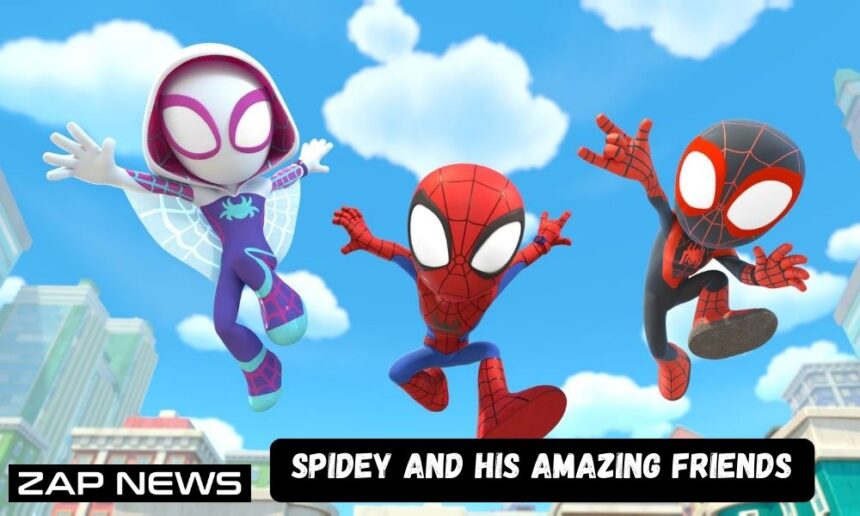
Spidey and His Amazing Friends has quickly become one of the most beloved animated superhero series for preschool audiences. Designed to introduce young viewers to the world of Marvel in a fun, safe, and age-appropriate way, the show combines teamwork, friendship, and simple problem-solving with colorful action and engaging storytelling. Since its debut, Spidey and His Amazing Friends has captured the hearts of children and parents alike, proving that even the smallest heroes can make a big difference.
Quick Bio Overview Table – Spidey and His Amazing Friends
| Category | Details |
|---|---|
| Show Title | Spidey and His Amazing Friends |
| Genre | Preschool Animation / Superhero |
| Based On | Marvel Entertainment Characters |
| Original Network | Disney Junior |
| Target Age Group | 3–7 Years |
| Main Characters | Peter Parker (Spidey), Gwen Stacy (Ghost-Spider), Miles Morales (Spin) |
| First Premiere | 2021 |
| Episode Length | Approx. 20–25 Minutes |
| Themes | Teamwork, Friendship, Problem-Solving |
| Streaming Availability | Disney platforms |
What Is Spidey and His Amazing Friends?
Spidey and His Amazing Friends is a preschool animated television series inspired by Marvel Comics characters. The show follows young versions of iconic superheroes as they work together to solve everyday problems and stop mischievous villains.
Produced by Marvel Entertainment and aired on Disney Junior, the series is specifically crafted for children ages 3–7. It introduces core values like cooperation, empathy, responsibility, and perseverance in a way that young minds can understand.
Main Characters in Spidey and His Amazing Friends
One of the biggest reasons Spidey and His Amazing Friends resonates with kids is its lovable cast.
Peter Parker (Spidey)
At the center of Spidey and His Amazing Friends is Peter Parker, the friendly neighborhood hero. Unlike the teenage or adult versions seen in blockbuster films, this Peter is a preschool-aged superhero who balances fun adventures with learning valuable lessons.
The character is inspired by Spider-Man, one of Marvel’s most iconic heroes. However, in this version, the tone is lighter and more educational.
Gwen Stacy (Ghost-Spider)
Gwen Stacy joins the team as Ghost-Spider. She brings intelligence, creativity, and confidence to the group. Her presence encourages positive representation and teamwork among both boys and girls.
Miles Morales (Spin)
Miles Morales, another beloved Spider-hero, adds diversity and energy to the trio. His character is inspired by Miles Morales and introduces young audiences to the idea that anyone can be a hero.
Together, these three form the “Spidey Team,” solving problems while supporting one another.
Supporting Characters and Villains
Spidey and His Amazing Friends features simplified versions of well-known Marvel characters, adapted for preschool viewers.
Some recurring villains include:
-
Green Goblin
-
Doc Ock
-
Rhino
Unlike darker portrayals in comics or films, these villains are more mischievous than dangerous. Their actions usually revolve around playful trouble rather than serious threats, ensuring the show remains age-appropriate.
Educational Value of Spidey and His Amazing Friends
One of the standout features of Spidey and His Amazing Friends is its educational structure. Each episode is designed to teach:
-
Teamwork
-
Sharing and cooperation
-
Problem-solving
-
Emotional intelligence
-
Responsibility
The show frequently emphasizes phrases like “Teamwork makes the dream work,” reinforcing collaboration as the key to success. Instead of relying solely on superpowers, the heroes often solve challenges by thinking creatively and working together.
For preschoolers, this repetition of positive messaging builds social and emotional learning skills.
Animation and Visual Appeal
Spidey and His Amazing Friends uses bright colors, smooth animation, and simplified character designs to maintain engagement without overwhelming young viewers.
The art style is intentionally softer and rounder compared to traditional Marvel content. Action scenes are exciting but not intense, ensuring children feel entertained rather than frightened.
The pacing is quick enough to hold attention but structured clearly so kids can follow the storyline.
Why Parents Approve of Spidey and His Amazing Friends
Parents often look for programming that balances entertainment with learning. Spidey and His Amazing Friends checks several important boxes:
-
Positive role models
-
Clear moral lessons
-
No excessive violence
-
Diversity and inclusion
-
Short, manageable episodes
Episodes typically run around 20–25 minutes, making them ideal for structured screen time.
Additionally, the show encourages discussions between parents and children about friendship, fairness, and responsibility.
Cultural Impact and Popularity
Spidey and His Amazing Friends has grown into a major franchise within the preschool entertainment space. Merchandise, toys, clothing, and books have expanded its reach beyond television.
The show introduces young viewers to the larger Marvel universe in a gentle way. As children grow older, they may transition into other Marvel properties, making the series an effective entry point into superhero storytelling.
The popularity of the Spider-Man character, boosted by blockbuster films and comic history, has helped Spidey and His Amazing Friends achieve strong brand recognition worldwide.
Music and Theme Song
The theme song of Spidey and His Amazing Friends is upbeat and energetic, designed to stick in young viewers’ minds. Catchy music helps reinforce excitement and anticipation for each episode.
Songs throughout the series often summarize the episode’s lesson, helping children remember key takeaways.
Representation and Inclusivity
Spidey and His Amazing Friends stands out for its commitment to diversity. With characters like Miles Morales and Gwen Stacy sharing equal spotlight time, the show presents a balanced team dynamic.
This inclusive approach allows children from different backgrounds to see themselves reflected in their heroes. Representation matters, especially during formative years.
How the Show Differs from Other Marvel Content
Unlike Marvel’s action-heavy movies or complex comic arcs, Spidey and His Amazing Friends simplifies storytelling to match preschool comprehension levels.
There are no complicated timelines, dark themes, or intense battles. Instead, the focus remains on friendship, cooperation, and small-scale community problems.
This distinction makes the show accessible while maintaining the excitement of superhero adventures.
Streaming and Accessibility
Spidey and His Amazing Friends is available on Disney platforms, making it easy for families to stream episodes on demand. Accessibility across devices allows children to enjoy their favorite heroes anywhere.
The show’s presence on major streaming services increases its global reach, introducing the Spidey Team to international audiences.
Lessons That Last Beyond the Screen
One of the strongest elements of Spidey and His Amazing Friends is how its lessons extend into everyday life. Children learn that:
-
Mistakes are okay if you learn from them
-
Helping others feels good
-
Working together solves problems faster
-
Everyone has unique strengths
These foundational lessons contribute to healthy social development.
The Future of Spidey and His Amazing Friends
As the show continues to grow in popularity, new seasons and expanded storylines are likely. Additional Marvel characters may appear in child-friendly versions, expanding the universe even further.
The long-term success of Spidey and His Amazing Friends will depend on maintaining its balance between action and education while introducing fresh ideas.
Given its strong reception and loyal audience, the future looks bright for the Spidey Team.
Final Thoughts
Spidey and His Amazing Friends successfully blends superhero excitement with meaningful life lessons. By adapting beloved Marvel characters into preschool-friendly heroes, the series creates a safe and engaging introduction to the world of superheroes.
Its colorful animation, positive messaging, diverse cast, and focus on teamwork make it a standout choice for families seeking quality children’s programming.
Whether your child is discovering superheroes for the first time or already loves Spider-Man, Spidey and His Amazing Friends offers a fun, educational adventure that leaves a lasting impression.
FAQs
What age group is Spidey and His Amazing Friends for?
The show is designed for preschool children, typically ages 3–7.
Is Spidey and His Amazing Friends connected to Marvel movies?
While inspired by Marvel characters, it is a standalone preschool adaptation with simplified stories.
Where can I watch Spidey and His Amazing Friends?
The series airs on Disney Junior and is available on Disney streaming platforms.
For More Inforamation Visit zapnews.co.uk