Introduction
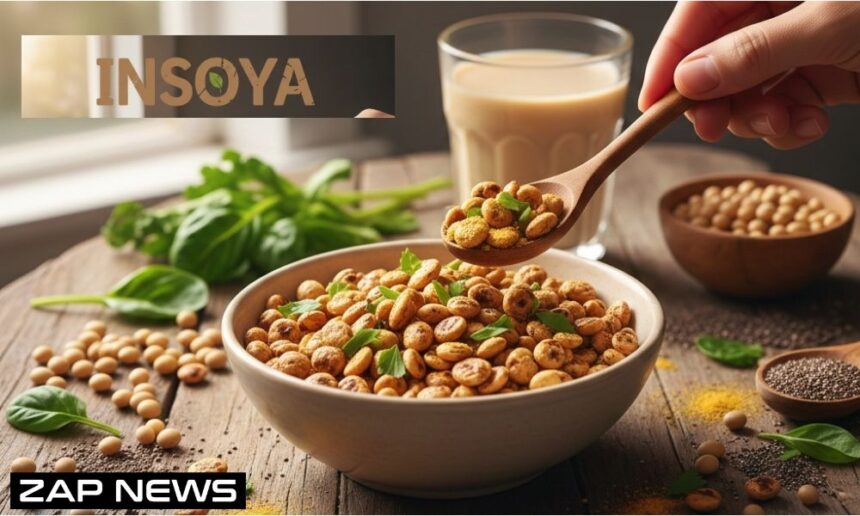
Over the past decade, global eating habits have undergone a powerful transformation. Consumers are increasingly prioritizing plant-based nutrition, environmental responsibility, and functional foods that deliver both wellness and sustainability. At the center of this movement stands soy—one of the most researched and versatile plant proteins in the world. Emerging from this foundation is Insoya, a modern evolution of soy designed to meet today’s health, convenience, and eco-conscious demands.
Insoya is more than a simple soy product. It represents a refined, innovation-driven approach to plant nutrition—combining advanced food technology, improved taste profiles, enhanced digestibility, and sustainability-focused production. From protein supplements and dairy alternatives to meat substitutes and functional snacks, Insoya is redefining how soy fits into the modern diet.
This article explores what Insoya truly is, its nutritional composition, health advantages, environmental impact, technological advancements, cultural relevance, potential concerns, and future potential in global food systems.
What Is Insoya?
Insoya can be described as the next-generation concept of soy-based nutrition. Unlike traditional soy staples that may require preparation and have a strong flavor profile, Insoya products are often formulated for convenience, improved texture, and broader appeal.
The core philosophy of Insoya rests on four pillars:
-
Complete Nutrition – Delivering all essential amino acids.
-
Sustainability – Reducing environmental strain compared to animal agriculture.
-
Innovation – Using modern processing and fermentation techniques.
-
Accessibility – Providing affordable plant-based protein options worldwide.
In essence, Insoya blends ancient agricultural wisdom with cutting-edge food science to create a smarter, cleaner, and more practical protein solution.
Historical Roots of Soy
Soybeans have been cultivated for over 3,000 years, particularly in East Asia. Countries such as China, Japan, and Korea integrated soy into daily diets through foods like tofu, miso, tempeh, and soy sauce.
As trade expanded globally, soy became a key ingredient in Western plant-based diets. Today’s Insoya concept builds on this heritage while adapting to contemporary nutritional science and lifestyle trends.
Nutritional Profile of Insoya
One of the defining features of Insoya is its high-quality protein content. Soy is one of the few plant-based proteins classified as “complete,” meaning it contains all nine essential amino acids required for muscle repair, immune support, and metabolic function.
Insoya typically provides:
-
Complete protein
-
Dietary fiber
-
Isoflavones (antioxidant compounds)
-
Iron
-
Magnesium
-
Calcium (in fortified forms)
-
B vitamins
-
Healthy polyunsaturated fats
Unlike many animal proteins, Insoya contains no cholesterol and minimal saturated fat. This makes it particularly attractive for heart-conscious individuals and those seeking long-term wellness support.
Health Benefits of Insoya
1. Heart Health
Research on soy protein indicates potential reductions in LDL (“bad”) cholesterol levels. Insoya products may support cardiovascular wellness by offering plant-based protein without excess saturated fat.
2. Hormonal Balance
Isoflavones found in soy may help ease menopausal symptoms such as hot flashes. These compounds mimic mild estrogen activity and have been widely studied for their role in women’s health.
3. Bone Strength
Fortified Insoya products often contain calcium and magnesium, contributing to improved bone density and reduced osteoporosis risk.
4. Weight Management
High protein and fiber content increase satiety, helping individuals manage appetite and maintain lean muscle mass.
5. Digestive Support
Fiber-rich Insoya products aid gut health and may improve regular digestion.
Insoya in Everyday Diets
The versatility of Insoya makes it easy to incorporate into daily meals:
-
Breakfast: Soy milk in cereal or smoothies.
-
Lunch: Tofu wraps or soy-based burger patties.
-
Dinner: Textured soy protein in stir-fries or chili.
-
Snacks: Soy crisps, protein bars, dairy-free yogurt.
Athletes often use Insoya protein powders for recovery, while families turn to soy milk as a lactose-free alternative. The adaptability of Insoya supports diverse dietary preferences, including vegan, vegetarian, and flexitarian lifestyles.
Sustainability and Environmental Impact
One of the strongest arguments in favor of Insoya is its environmental advantage. Compared to livestock farming, soy cultivation:
-
Requires significantly less water
-
Produces fewer greenhouse gas emissions
-
Uses less land per gram of protein
-
Offers higher protein yield per hectare
Animal agriculture is a major contributor to global emissions, whereas plant proteins like Insoya reduce ecological strain. When responsibly farmed, soy supports sustainable food systems capable of feeding growing populations without excessive deforestation or resource depletion.
Insoya and Global Food Trends
Several major food movements align perfectly with Insoya’s philosophy:
-
Plant-Based Diets: Rising demand for meat alternatives.
-
Functional Foods: Nutrient-enhanced, performance-driven products.
-
Clean Label Movement: Transparent, minimally processed ingredients.
-
Flexitarian Eating: Reduced meat consumption without full elimination.
Social media platforms have amplified creative soy-based recipes, accelerating consumer awareness and experimentation.
Technology Driving Insoya Innovation
Food technology has significantly improved soy’s taste and digestibility. Key innovations include:
-
Fermentation: Enhances flavor and nutrient absorption.
-
Extrusion Processing: Creates realistic meat-like textures.
-
Fortification: Adds nutrients like vitamin B12 and vitamin D.
-
AI Farming Tools: Improve crop efficiency and reduce waste.
These advancements position Insoya not merely as a traditional crop derivative, but as a future-ready nutritional solution.
Cultural Significance
Soy has always held cultural value in Asian cuisine. Insoya preserves this heritage while modernizing applications. Traditional dishes coexist with contemporary protein shakes and plant-based burgers, creating a bridge between generations and culinary traditions.
Young consumers especially view Insoya as symbolic of ethical consumption and environmental mindfulness.
Challenges Facing Insoya
Despite its advantages, Insoya is not without challenges:
-
Soy Allergies: A common allergen limiting accessibility.
-
GMO Concerns: Debate over genetically modified crops.
-
Processing Levels: Highly processed products may reduce perceived health benefits.
-
Flavor Sensitivity: Some individuals dislike soy’s natural taste.
-
Price Barriers: Premium plant-based products can be costly.
Balanced consumption and informed purchasing are key to maximizing benefits.
Insoya vs Traditional Soy
Traditional soy products like tofu and tempeh are minimally processed but require preparation and carry distinct flavors. Insoya products, by contrast, are often designed for convenience, enhanced taste, and ready-to-use formats.
This evolution reflects modern consumer demand for quick, nutritious solutions without sacrificing sustainability.
Consumer Feedback and Success Stories
Fitness communities often report improved recovery using soy protein. Individuals replacing red meat with Insoya frequently highlight better cholesterol readings and lighter digestion.
Families adopting dairy-free lifestyles also praise soy milk and yogurt alternatives for providing similar taste and nutrition without lactose intolerance issues.
Potential Side Effects
Most individuals tolerate Insoya well. However:
-
People with soy allergies must avoid it.
-
Individuals with thyroid concerns should consult healthcare providers before excessive consumption.
-
Moderation is essential to avoid digestive discomfort.
For the majority of consumers, Insoya remains a safe and beneficial protein choice.
The Future of Insoya
The outlook for Insoya is strong. As global awareness of sustainability grows, plant proteins will likely become central to food policy and innovation.
Future developments may include:
-
Personalized soy-based supplements
-
Enhanced low-allergen formulations
-
Eco-friendly packaging solutions
-
AI-optimized crop production
Insoya is positioned not as a passing trend, but as a long-term dietary evolution.
Conclusion
Insoya represents a forward-thinking fusion of nutrition, sustainability, and innovation. By delivering complete protein, essential nutrients, and a lower environmental footprint than animal products, it addresses many of today’s pressing health and climate challenges.
As consumers seek smarter food choices that align with personal wellness and planetary responsibility, Insoya stands out as a practical and promising solution. Choosing Insoya is not merely adopting a product—it is embracing a healthier and more sustainable lifestyle for the future.
FAQs
1. What is Insoya?
Insoya is a modern approach to soy-based nutrition, offering innovative, convenient, and sustainable plant protein options.
2. Is Insoya healthy?
Yes. It provides complete protein, fiber, antioxidants, and essential minerals that support heart, bone, and metabolic health.
3. Can Insoya replace meat?
In many cases, yes. It offers similar protein quality without cholesterol or high saturated fat.
4. Is Insoya environmentally friendly?
Compared to livestock farming, soy production typically uses fewer natural resources and produces fewer emissions.
5. Who should avoid Insoya?
Individuals with soy allergies or specific thyroid conditions should consult a healthcare professional before consuming it regularly.
For More Inforamation Visit zapnews.co.uk