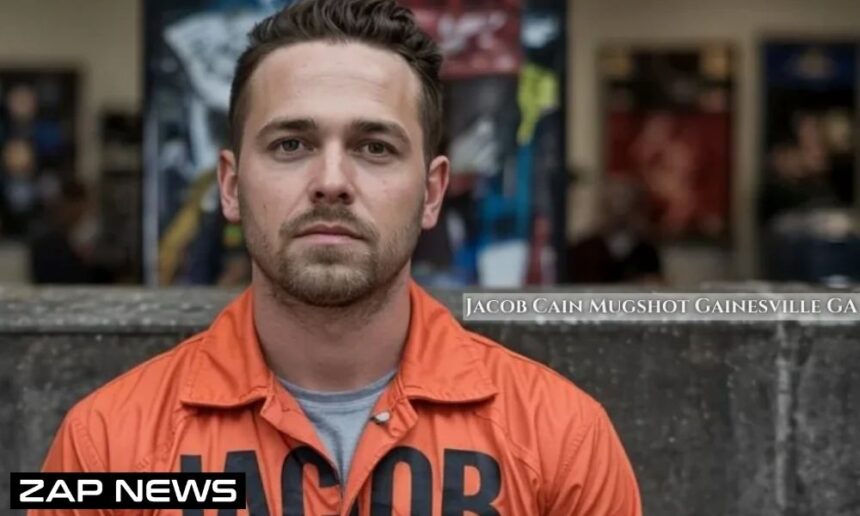
Introduction – Why the Jacob Cain Mugshot Gainesville GA Case Drew Attention
The search term Jacob Cain mugshot Gainesville GA surged after an arrest that quickly became a point of discussion across local communities and online platforms. What began as a routine law enforcement action evolved into a widely shared digital story once Cain’s booking photo entered public records and spread across the internet. The case highlights how quickly a private individual can become a public topic, especially in the age of instant information sharing.
This article examines the full story behind the Jacob Cain mugshot Gainesville GA case, including who Jacob Cain is, why he was arrested, how Georgia law handles probation violations and mugshots, and the broader consequences of public arrest records. Beyond the facts, we explore the ethical and social implications of mugshot exposure and what options exist for individuals seeking to protect their reputation.
Who Is Jacob Cain?
Personal Background
Jacob Cain is a resident of Gainesville, Georgia, a city known more for its strong sense of community than for high-profile crime cases. Before his arrest, Cain was not a public figure and maintained a relatively low profile. There is limited publicly available information about his personal or professional life, which is typical for individuals not previously involved in major legal controversies.
At the time of the incident, Cain was reportedly serving probation related to an earlier legal matter. While details about the original offense were not widely disclosed, probation itself indicates that the court had previously allowed him to remain in the community under specific conditions rather than serve jail time.
How He Entered the Public Eye
The reason Jacob Cain became widely known was not due to long-standing criminal activity but because of how quickly his mugshot circulated online. Once published as part of public records, the image was shared by third-party websites and social media users, transforming Cain into a trending topic almost overnight.
The Arrest in Gainesville, Georgia
What Happened
The Jacob Cain mugshot Gainesville GA case stems from an arrest that occurred in late February 2023. Local law enforcement detained Cain for an alleged probation violation. Under Georgia law, probation violations are treated seriously, as probation is considered an alternative to incarceration contingent on strict compliance with court-ordered conditions.
Cain was taken into custody and transported to Hall County Jail, where standard booking procedures were followed. These procedures included fingerprinting, photographing, and entering arrest details into the county and state systems.
Nature of the Charges
While the specific probation terms Cain allegedly violated were not made fully public, the offense was classified as fingerprintable. This classification is significant because it legally requires law enforcement to collect biometric data and publish arrest information, including a mugshot.
Why the Mugshot Became Public
Georgia’s Public Records Law
In Georgia, mugshots taken during booking are considered public records. This means they can be accessed by media outlets, public databases, and private websites that aggregate arrest information. Once published, these images often remain online indefinitely, even if charges are later reduced or dismissed.
Online Amplification
After Jacob Cain’s mugshot was uploaded to official databases, it was quickly indexed by search engines and shared on social media. The speed at which the image spread demonstrates how digital platforms can amplify a single moment into a long-lasting public narrative.
Public and Media Response
Community Reaction
Reactions within Gainesville were mixed. Some community members expressed concern and sympathy, emphasizing that an arrest does not equal guilt. Others viewed the case more critically, forming opinions based solely on the mugshot and limited information available online.
Media Coverage
Local news outlets reported on the arrest with varying degrees of depth and responsibility. While some focused on verified facts, others highlighted the mugshot itself, contributing to the case’s visibility and public speculation.
Understanding Probation Violations in Georgia
Probation violations can occur for many reasons, including missed appointments, failure to comply with court-ordered programs, or new legal infractions. When a violation is alleged, a judge typically reviews the case during a probation revocation hearing.
Possible outcomes include:
-
Continuation of probation with stricter conditions
-
Temporary incarceration
-
Full revocation of probation
As with many cases, the legal process can take time, and outcomes depend on evidence, compliance history, and judicial discretion.
Fingerprintable Charges Explained
A fingerprintable charge in Georgia refers to any offense that requires fingerprinting and photographing during booking. This designation automatically triggers inclusion in statewide criminal databases. While intended for identification and record-keeping, it also leads to public exposure that can have lasting personal consequences.
The Human Impact of Mugshot Exposure
Social and Emotional Consequences
Having a mugshot publicly available can affect employment opportunities, housing applications, and personal relationships. Even without a conviction, individuals may experience stigma, stress, and reputational harm.
Digital Permanence
One of the biggest challenges is permanence. Mugshots can remain online for years, resurfacing in search results long after legal matters are resolved. This creates what many experts refer to as “digital punishment” beyond the courtroom.
Can a Mugshot Be Removed in Georgia?
Legal Remedies
In some situations, individuals may seek expungement or record restriction if charges are dismissed or resolved favorably. However, Georgia law does not automatically require mugshot removal, making the process complex and often requiring legal assistance.
Reputation Management
Some people turn to reputation management services to request removals from third-party websites. These services vary in effectiveness and cost, and results are not guaranteed.
Broader Issues: Privacy and Criminal Justice
The Jacob Cain mugshot Gainesville GA case reflects a larger debate about transparency versus privacy. Advocates argue for reforms that limit mugshot publication or require automatic removal when charges do not lead to convictions. Critics of current policies believe the system unfairly punishes individuals before due process is complete.
Conclusion
The story behind the Jacob Cain mugshot Gainesville GA is not just about an arrest—it’s about how modern technology intersects with the justice system. While courts determine legal outcomes, public perception is often shaped instantly by images and headlines. Cain’s case underscores the need for thoughtful discussion about privacy, media responsibility, and the long-term effects of public records in a digital world.
FAQs About Jacob Cain Mugshot Gainesville GA
Who is Jacob Cain in Gainesville, GA?
Jacob Cain is a Gainesville resident whose arrest for an alleged probation violation brought public attention after his mugshot was published online.
Why did the Jacob Cain mugshot Gainesville GA go viral?
The mugshot spread rapidly because Georgia classifies such images as public records, allowing third-party sites and social media users to share them widely.
Has Jacob Cain been convicted?
As of the latest available information, there has been no confirmed conviction related to the Jacob Cain mugshot Gainesville GA case. Legal proceedings take time, and individuals are presumed innocent until proven guilty.
Can the mugshot be removed from the internet?
Removal may be possible in limited cases through legal action or reputation management services, but Georgia law does not guarantee automatic removal.
Where was Jacob Cain booked?
Jacob Cain was booked at Hall County Jail in Gainesville, Georgia.
For More Inforamation Visit zapnews.co.uk