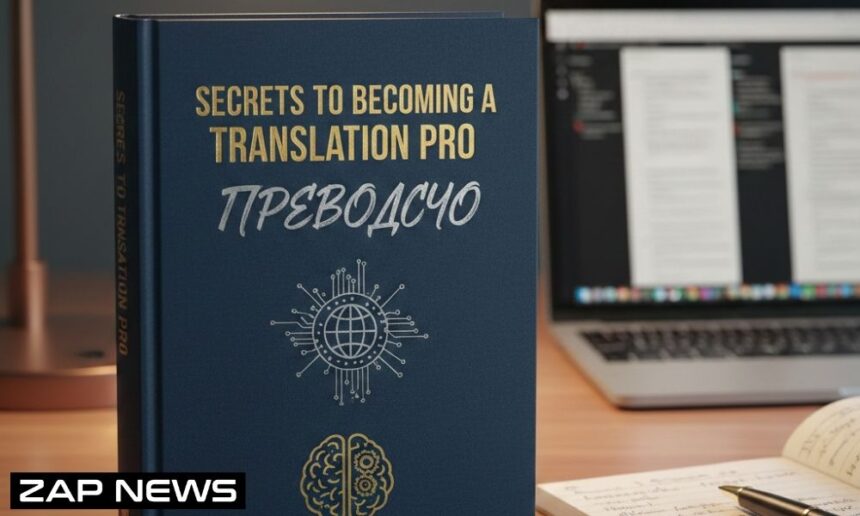
Introduction: Unlocking the Power of Translation in a Globalized World
In today’s interconnected world, language is both a bridge and a barrier. With over 7,000 languages spoken worldwide, how can ideas, knowledge, and culture flow seamlessly across borders? The answer lies in the expertise of the “преводсч.” Derived from Slavic roots—Bulgarian “преводач” and Russian “переводчик”—the word преводсч means “translator” or “interpreter.” Yet in modern contexts, the role of a преводсч transcends mere word-for-word translation, acting as a cultural mediator, communication strategist, and global connector.
Whether through documents, speeches, or digital platforms, a преводсч ensures that meaning, tone, and intent are preserved across languages. This article explores the modern преводсч, detailing its functions, skills, tools, challenges, and importance in industries ranging from business to healthcare, education, and technology.
What Does “преводсч” Really Mean?
At its core, преводсч is a professional who bridges communication gaps. While the term literally translates to “translator,” today it refers to someone who facilitates clear and culturally sensitive communication. A преводсч may work with written content, spoken language, or multimedia, and can also provide localization services that adapt messages for specific regions or audiences.
It is also essential to distinguish between a translator, who works primarily with written text, and an interpreter, who translates spoken language in real-time. Both fall under the umbrella of преводсч, but each requires distinct skills, training, and tools.
Why Translation Matters More Than Ever
Globalization, cross-border commerce, and digital platforms have made accurate translation critical. Miscommunication can lead to financial loss, legal disputes, or diplomatic incidents. Translation ensures that ideas, products, and services reach audiences across linguistic boundaries.
For instance, international medical research relies on translation to share life-saving discoveries. Businesses expanding internationally depend on localized content to connect with diverse customers. Even educational materials must be accurately translated to maintain quality and accessibility. Translation is no longer optional—it is an essential component of global engagement.
The Translator’s Role: More Than Words
A преводсч does more than convert text—they convey context, tone, and cultural meaning. Idioms, metaphors, humor, and technical jargon require nuanced understanding. Legal documents demand precision, while literature requires creativity.
Beyond linguistic expertise, translators serve as cultural interpreters. They understand the values and norms of both source and target languages, ensuring communication respects the intended audience. Ethical responsibilities—confidentiality, accuracy, impartiality—are also paramount, particularly in law, healthcare, or government contexts.
Core Skills of a Successful Преводсч
To excel, a преводсч must combine linguistic mastery with cultural intelligence. Key skills include:
-
Fluency in multiple languages, including nuanced grammar and idioms
-
Cultural awareness and sensitivity to context
-
Research skills to handle specialized terminology
-
Time management and multitasking under tight deadlines
-
Emotional intelligence to understand tone, intent, and subtle meaning
Modern Tools & Techniques
Technology supports—but does not replace—human translators. Essential tools include:
-
CAT Tools (SDL Trados, MemoQ, Wordfast): Ensure consistency and efficiency through translation memories and terminology databases
-
Machine Translation (Google Translate, DeepL): Provide quick drafts for review
-
MT Post-Editing: Combines AI speed with human accuracy
-
Real-Time Interpretation Tools: Microphones, headsets, and speech recognition software for live events
These tools allow translators to work faster while preserving quality, cultural nuance, and meaning.
Types of Translation Services
The преводсч profession spans multiple domains:
-
Literary Translation: Novels, poetry, plays
-
Legal Translation: Contracts, patents, court documents
-
Technical Translation: Manuals, scientific papers, engineering specs
-
Medical Translation: Clinical trials, prescriptions, reports
-
Localization: Websites, apps, and software for specific regions
-
Interpretation: Simultaneous or consecutive for live events
Each type demands specialized knowledge, tools, and ethical practice.
Challenges Faced by Translators
Translation is complex. Common challenges include:
-
Cultural nuances and idiomatic expressions
-
Maintaining tone, style, and clarity
-
Meeting tight deadlines
-
Handling specialized terminology
-
Ethical dilemmas involving sensitive content
Success requires intellectual agility, ethical integrity, and a constant commitment to learning.
Myths About Translation
Many misconceptions undervalue the преводсч:
-
Translation is more than word-for-word conversion
-
Any bilingual person cannot automatically translate professionally
-
Machine translation cannot fully replace human translators
-
Quality varies depending on skill, tools, and domain knowledge
Recognizing the real expertise involved helps businesses and individuals appreciate the true value of a skilled преводсч.
Cultural Sensitivity & Ethics
Cultural knowledge is central to effective translation. Translators act as cultural ambassadors, ensuring that messaging respects local norms, values, and sensitivities. In marketing, political, or religious contexts, mistranslation can cause offense or misunderstandings. Professional ethics—confidentiality, accuracy, impartiality—guide translators through these challenges.
Conclusion: The Enduring Importance of the Преводсч
Even in the age of AI and machine translation, human translators remain essential. Technology cannot replace empathy, cultural understanding, or ethical judgment. The преводсч ensures that communication is accurate, culturally sensitive, and impactful.
As globalization accelerates, demand for skilled translators will continue to grow, making this profession indispensable. In business, education, healthcare, and storytelling, the преводсч remains a guardian of clarity, understanding, and connection.
FAQs
-
What does “преводсч” mean?
It means translator or interpreter in Slavic languages, responsible for bridging language gaps. -
What is the difference between a translator and an interpreter?
Translators work with written text; interpreters work with spoken language in real time. -
Why is a преводсч important today?
They enable clear, culturally accurate communication across industries, countries, and digital platforms. -
Can AI replace a human translator?
No, AI helps with drafts, but human insight ensures meaning, tone, and culture are preserved. -
What skills does a good преводсч need?
Fluency in languages, cultural knowledge, research ability, attention to detail, and ethical responsibility. - How can I become a professional преводсч?
Study languages, gain practical translation experience, pursue certifications, and develop expertise in specialized fields.
For More Inforamation Visit zapnews.co.uk